If you only do one thing for your body after 35, make it strength training. It keeps your muscle, protects your joints and bones, helps fat loss and makes everyday life easier. Carrying shopping. Getting off the floor. Running after kids or grandkids.
The good news is that you do not need to be fit to start. You just need a simple plan.
The movements that matter most
You do not need 40 exercises. You need a handful of big movements done well.
- Squat: sitting down and standing up. Goblet squats, box squats or leg press.
- Hinge: bending from your hips. Romanian deadlifts or hip thrusts.
- Push: pushing away from you. Press ups (on a bench is fine), dumbbell presses.
- Pull: pulling towards you. Rows and lat pulldowns.
- Lunge: one leg at a time. Split squats, step ups or lunges.
- Carry: walking while holding something heavy. Great for grip and core.
These work at home with a few dumbbells or in any gym.
How often?
Aim for at least 3 strength sessions a week. 45 minutes is plenty. Full body sessions work really well when you are starting out.
How hard?
This is where most women go wrong. They pick weights that feel comfortable and stop when it gets a bit hard. Your body only changes when it is asked to.
Use this simple check at the end of each set. How many more good reps could you have done?
- 0 left: good. You worked to failure.
- 1 to 3 left: the sweet spot.
- 4 or more left: too easy. Go heavier next time.
Any rep range from about 5 to 30 builds muscle, as long as you finish each set close to failure. So if heavy weights scare you, lighter weights and more reps work too.
It should be hard by the end of the set, not easy the whole way through.
How to keep improving
Each week, try to do a little more than last time. One more rep. A slightly heavier weight. Better control. This is called progressive overload, and it is how you keep getting stronger. Write your sessions down so you know what to beat.
Common mistakes to avoid
- Doing too much too soon. Your heart and lungs catch up fast. Your joints and tendons take longer. Start easier than you think.
- Chasing soreness. Being sore is not a sign of a good session. Getting stronger over the weeks is.
- Changing the plan every week. Stick with the same exercises for 6 to 8 weeks so you can see progress.
- Skipping the warm up. After 35, five to ten minutes of easy movement first makes a real difference.
- Guessing your form. Film yourself or have a coach check. Good form keeps you training for years.
What about aches and old injuries?
Most aches in knees, hips and backs come from weak muscles around the joint, not age. The right strength training usually helps. Start with movements that feel fine, keep the weight light and build up slowly. If you have pain going down your leg, numbness or pain after a fall, see your GP or a physio first.
Want a plan built around you and your life?
I coach women 35+ online. A plan built for you, a weekly check-in, a live call every week and messages with me in between.
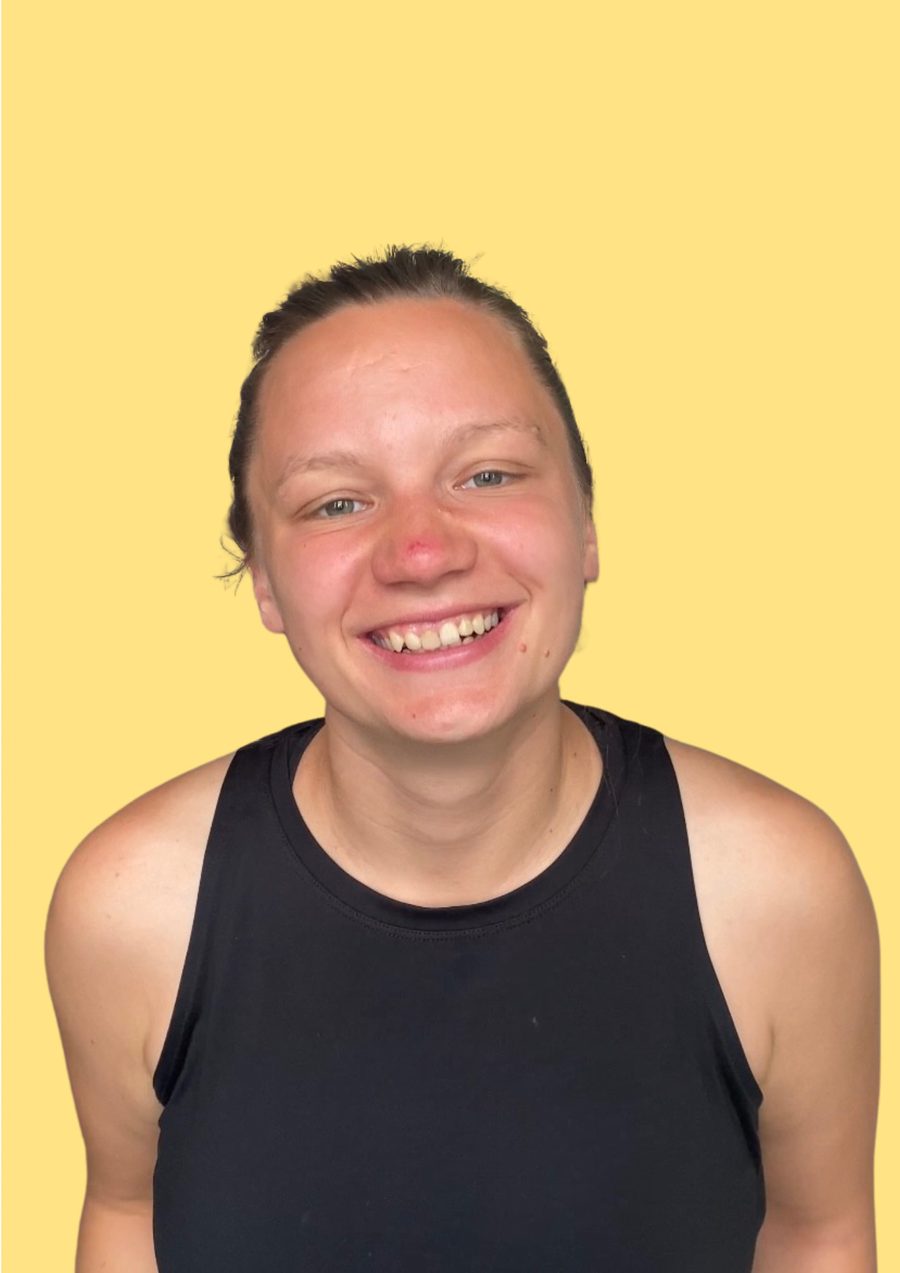
Ana Putonaite
Strength and nutrition coach with 10+ years of experience, a BSc in Sports and Exercise Science and a Precision Nutrition certificate. She coaches women over 35 online.